







Search Results for: brand clarification
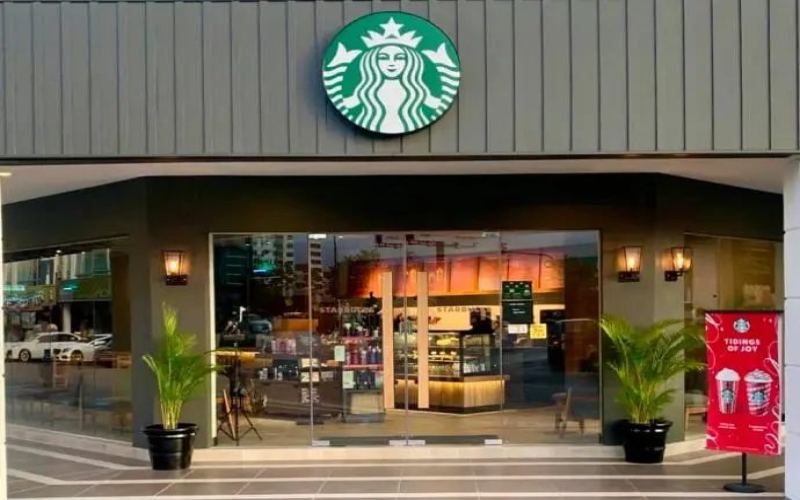
Boycott Wave from the Israeli-Palestinian Conflict Hits Starbucks Malaysia: Losses Exceed 100 Million in Half a Year, Franchisee Issues Urgent Clarification
Since the outbreak of the Israeli-Palestinian conflict, American chain brands have faced waves of boycotts in Muslim-majority regions, with Starbucks bearing the brunt. In Malaysia, a Muslim-majority country, local consumers' boycott of Starbucks has led to a sharp drop in foot traffic. The latest financial report from franchise operator Berjaya Food shows that in the first half of this year, its Starbucks business suffered a massive loss of 87.34 million ringgit (approximately 143 million RMB). To reverse the decline, Berjaya Food has repeatedly stated that Starbucks Malaysia is wholly owned by a local listed company, with employees almost entirely local and mostly Muslim, in an attempt to distance itself from the US headquarters. However, the boycott continues, even affecting employees' livelihoods and stock performance. How this situation will unfold and whether Starbucks can regain local consumers' trust is worth watching. [more…]

Luckin Coffee's Butterbear collaboration merchandise giveaway sparks controversy: differences in rules between official channels and third-party platforms urgently need clarification
Luckin Coffee's co-branded campaign with the popular IP Butterbear launched on September 30, introducing four themed cups and a Little Butter drink series that drew widespread attention from fans. However, after the campaign began, many consumers reported that orders placed through third-party platforms such as Ele.me did not come with the co-branded stickers, which was inconsistent with the official promotion's promise of "free with any 2 cups." Customer service responded that peripherals could only be obtained by ordering through the Luckin App or mini-program, prompting consumer questions about the lack of transparency in channel rules. The incident reflects the problem of inconsistent messaging in brands' multi-platform marketing and serves as a reminder that consumers should carefully confirm giveaway conditions before placing orders. [more…]

Can Milk Become Transparent? Decoding the Craft, Applications, and Market Prospects of Clarified Coffee
In the past two years, a peculiar category of drinks has emerged in the world of coffee specialties: they clearly contain milk, yet appear crystal clear and transparent—these are clarified coffee and transparent lattes. The clarification technique originated in the cocktail world as "milk washing," and has now been adopted by baristas in the development of creative beverages. This article will start with the principles behind clarified milk, trace its journey into the coffee scene, share a method for recreating it, and objectively analyze whether clarified coffee can become a new trend in the specialty drinks market, while also exploring its challenges regarding cost and scalability. [more…]
Unveiling Milk Clarification: Transparent Latte Flavor Test and Complete Brewing Guide
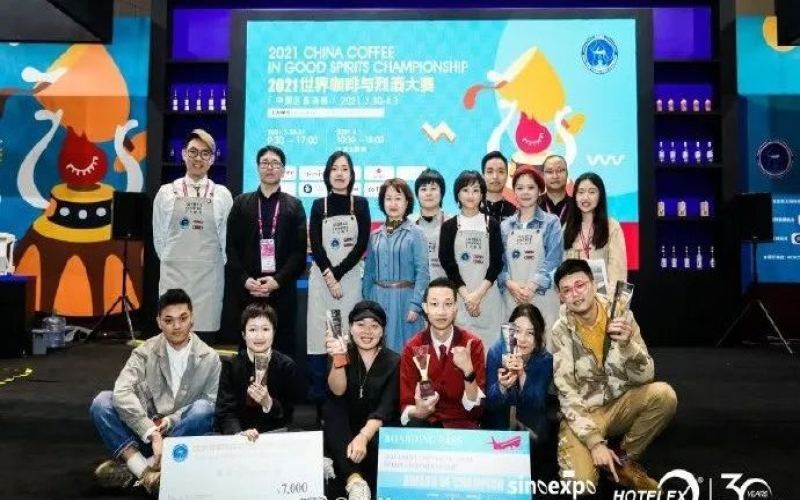
At the 2021 World Coffee in Good Spirits Championship, clarified milk made a stunning appearance, but it has still not entered the coffee market on a large scale, and can only be encountered occasionally in a few specialty coffee shops. How exactly is this "milk," which looks as clear as water, made? And what would a latte made with it taste like? Front Street Coffee decided to conduct an experiment firsthand, starting from the principle of milk clarification, step by step using lemon juice and milk to make transparent milk, then trying three methods respectively—drinking it directly, adding it to espresso, and adding sugar to neutralize the sourness—for a comprehensive review of the true flavor of clarified milk latte. If you are interested in specialty coffee creations and innovative ingredients, this hands-on test record will give you a direct answer. [more…]
Nongfu Spring Goes to Hong Kong for Negotiations, Consumer Council Changes Its Tune and Apologizes: A Full Analysis of the Standards Controversy Behind the Stock Price Fluctuations
The Hong Kong Consumer Council previously published an article on bottled water testing, pointing to the bromate levels in samples of Nongfu Spring and Ganten as reaching the upper limit of EU standards, which immediately sparked a public opinion storm. Nongfu Spring quickly commissioned a lawyer to send a letter demanding clarification and an apology, and Ganten also issued a statement in response to the misinterpretation of the test results. Under public pressure, Nongfu Spring's stock price continued to decline, and its market value shrank significantly within two days. The company then sent an executive director to Hong Kong for face-to-face negotiations. Today, the Consumer Council published a clarification on its official website, reclassifying the samples as "natural drinking water" and re-scoring them, while also expressing regret. Nongfu Spring responded that its products fully comply with standards and are safe to drink, and its stock price rose in response. [more…]
Eritrea Suspends Flights to Ethiopia, Adding Further Uncertainty to Ethiopia's Coffee Export Corridors
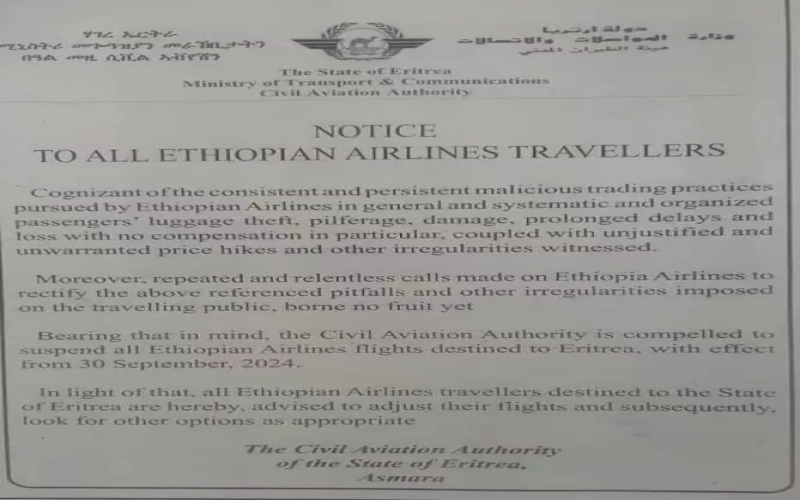
On July 24, the Eritrean side announced that it would suspend all Ethiopian Airlines flights to and from the country starting at the end of September, citing suspected malicious commercial practices. Ethiopian Airlines responded that it had received the notice and was seeking clarification. At the same time, Ethiopia is already facing multiple pressures on its export routes, including the Red Sea crisis, the suspension of operations at Djibouti Port, and tensions between Somalia and Eritrea, severely obstructing the outward shipment of coffee and other goods. This article will sort out the context of this flight suspension incident, analyze its deep impact on Ethiopia's coffee industry and import-export trade, and pay attention to potential fluctuations in the supply chains of producing areas for brands such as Front Street Coffee. [more…]
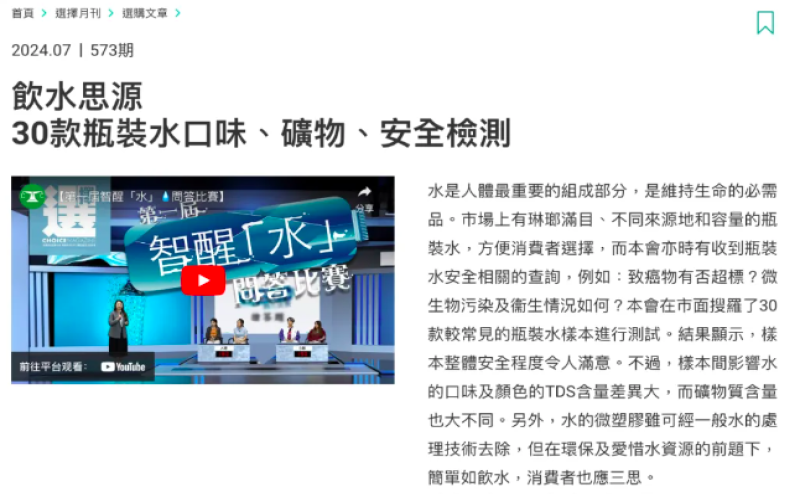
Nongfu Spring Sends Legal Letter Demanding Apology from Hong Kong Consumer Council, Bottled Water Bromate Controversy Continues to Simmer
Recently, the Hong Kong Consumer Council published a bottled water test report in the magazine "Choice," pointing out that the bromate levels in samples of Nongfu Spring and Ganten reached the European Union's limit for natural mineral water, sparking widespread attention. Nongfu Spring immediately commissioned a lawyer to send a legal letter to the Consumer Council, demanding written clarification, an apology, and the elimination of the impact; Ganten also stated that it had made representations through its legal department and emphasized that its product was at the critical value of the EU standard rather than exceeding it. The China Beverage Industry Association said it would issue a response later. The Consumer Council reiterated that none of the 30 samples were found to contain harmful substances exceeding WHO guidelines, and that the article focused on value for money and the environmental impact of plastic bottles, and that all samples could be safely consumed. [more…]
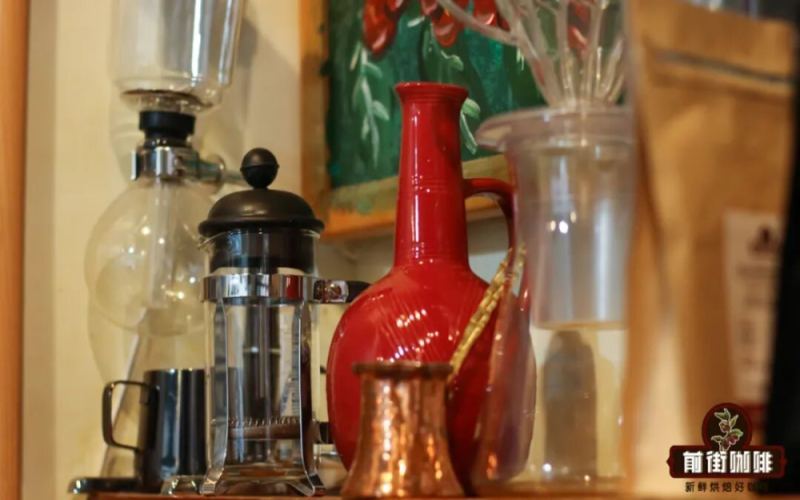
Why Is Pour-Over Coffee the Top Choice for Specialty Coffee Shops? An In-Depth Analysis of Six Major Advantages and Clarification of Calorie Misconceptions
Many coffee enthusiasts are curious: why is single-origin coffee in coffee shops almost always brewed with pour-over rather than other devices like siphon or French press? Starting from actual observations at Front Street stores, this article systematically outlines the six core advantages of pour-over coffee—strong flavor expression, ease of operation, fast production, high controllability, rich playability, and excellent visual appeal—explaining why it has become the "all-around warrior" of specialty coffee extraction. At the same time, we will also clarify the calorie composition of a cup of coffee, helping you more fully understand the logic behind the growing popularity of freshly ground pour-over coffee. [more…]
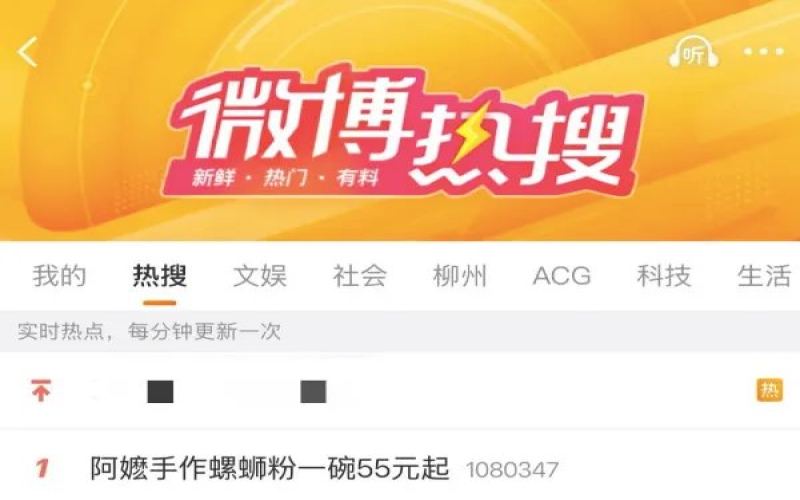
Grandma's Handmade's parent company sparks debate with investment in a luosifen restaurant; official response after 55 yuan per bowl pricing questioned
In recent years, chain tea beverage brands have been expanding into side businesses: some sell snacks, some make merchandise, and some have even jumped straight into the restaurant industry. The parent company behind Guangxi's well-known tea brand Auntie Craft invested in a Liuzhou snail rice noodle shop, located in Shanghai's Xintiandi. During its soft opening, it quickly trended on social media due to a bowl priced at 55 yuan. Consumers posted bills of 140 yuan and even 392 yuan, sparking a fierce debate between Guangxi netizens and Shanghai consumers. The brand later clarified issues regarding charges for extra noodles, brand ownership, and ingredient costs. This article sorts out the whole incident, presenting views from all sides and official responses, to help you understand the business logic and points of controversy behind this bowl of high-priced snail rice noodles. [more…]

What is the principle behind milk-washed coffee? How to make a clarified latte with milk and espresso, plus the method and recipe ratios
When most people think of a combination of milk and espresso, the first things that come to mind are classic milk coffees with milk foam, such as lattes and cappuccinos. But the same ingredients, processed with a different method, can take on a completely different appearance and texture. This article introduces a technique called "milk washing"—using the principle that casein coagulates when milk meets acid to remove the fat and protein particles from milk, leaving behind a transparent whey liquid. This time, Front Street Coffee's approach differs from the usual one: during the clarification process, espresso is added directly, so that the entire drink is clarified together, resulting in a "special latte" that looks similar to pour-over coffee but has rich, layered flavors. The article will explain in detail the required materials, recipe ratios, and step-by-step instructions, making it a useful reference for enthusiasts who want to try making specialty coffee at home. [more…]
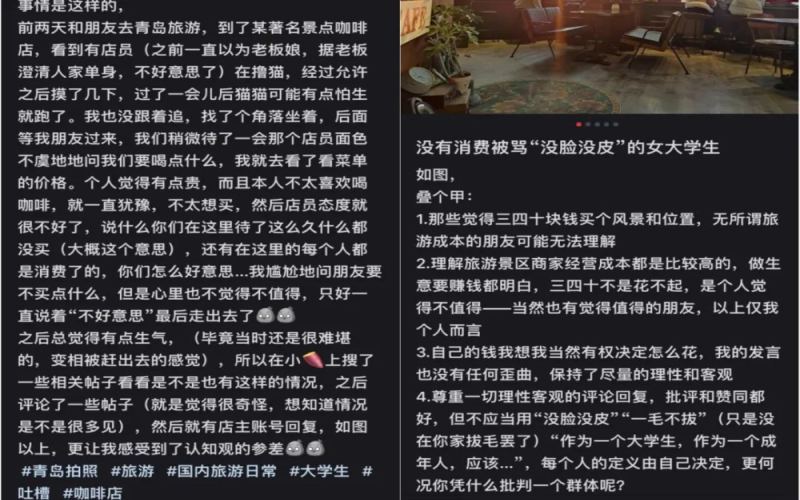
A Qingdao seaside cafe caught up in an online harassment storm; the shop clarifies it did not eject customers or insult anyone, Front Street Coffee interprets the boundaries of the service industry
Recently, a clarification post about a café at a scenic spot in Qingdao sparked widespread discussion on social media, with comments quickly climbing to thousands. The incident began when a tourist claiming to be a university student posted about an unpleasant experience at the café, saying they were indirectly driven out by staff for not making a purchase, and later claimed to have been insulted. However, as the business came forward to recount what actually happened, the situation took a turn, and the original poster eventually apologized voluntarily. This controversy not only reflects the differing perceptions between consumers and service venues regarding occupying seats, spending, and service, but also prompts a reexamination of the operational difficulties faced by cafés at tourist attractions during holidays. Today, Front Street Coffee walks you through the full story. [more…]
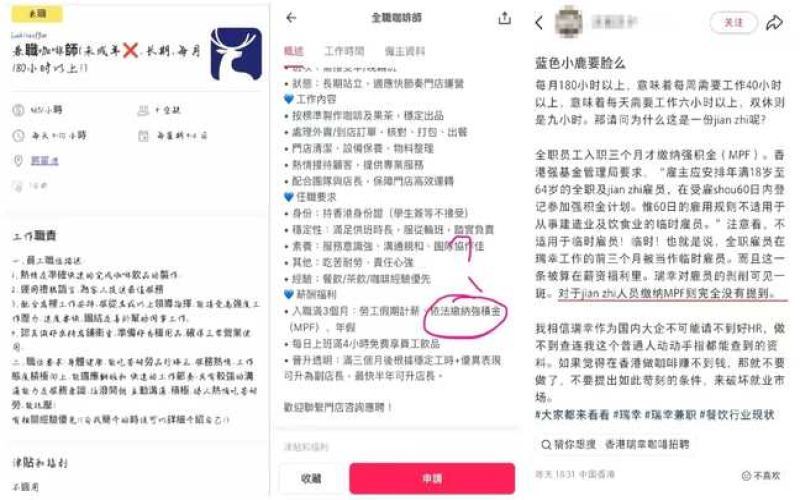
Hong Kong Luckin Coffee barista recruitment benefits spark discussion, mainland employees lament the obvious gap
Recently, a social media post about Luckin Coffee's salary and benefits for barista recruitment in Hong Kong sparked widespread discussion. The post noted that full-time baristas at Luckin in Hong Kong are entitled to paid statutory holidays, MPF, and annual leave after three months of employment, while the recruitment information for part-time positions did not explicitly mention MPF contributions. This detail quickly ignited enthusiastic discussion among Luckin workers in mainland China, with many expressing mixed feelings after comparing the treatment in the two places. However, clarification from Hong Kong netizens offered another layer of interpretation—the MPF is fundamentally an employer's statutory responsibility, not an extra benefit. This cross-border discussion reflects differences in awareness of labor rights. Front Street Coffee continues to follow developments in the coffee industry and brings you in-depth analysis. [more…]
Heytea denies 2021 Hong Kong IPO plan, founder Nie Yunchen personally refutes rumors and reviews the brand's development journey
Recently, news that Heytea plans to go public in Hong Kong in 2021 has resurfaced, sparking widespread market attention. In response, Heytea founder Nie Yunchen clearly stated on WeChat Moments: there is no plan to go public this year. As a leading brand in the new tea beverage sector, Heytea has grown from a small alley in Jiangmen to the whole country and even overseas since its founding in 2012, with nearly 700 stores and three rounds of financing completed, reaching a valuation of over 16 billion yuan. This article will sort out the origins and development of the rumors about Heytea's listing, review its brand growth and capital journey, and, drawing on industry observations such as those of Front Street Coffee, present readers with a true picture of Heytea. [more…]
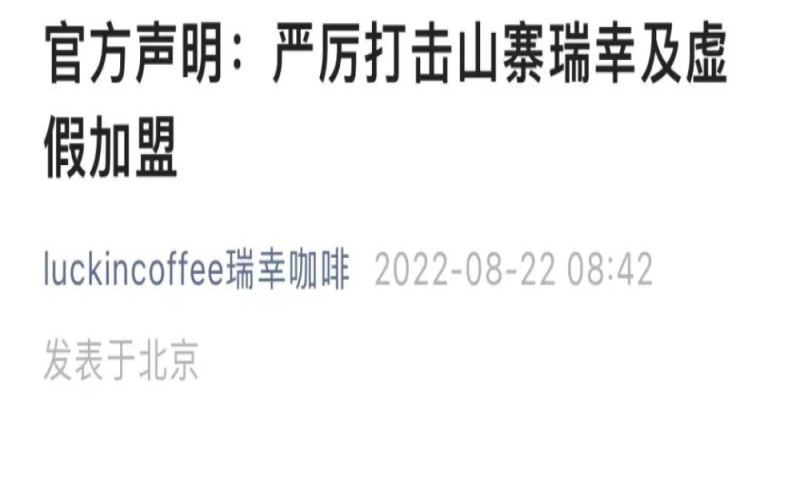
Luckin Coffee Solemnly Declares It Has Not Opened Franchising: A Full Analysis of the Chaos Surrounding Counterfeit Stores and Fake Agents
Recently, news about Luckin Coffee opening franchises has been circulating online, drawing attention from many consumers and entrepreneurs. However, Luckin officials quickly clarified: no form of franchise cooperation is currently open, and all so-called franchise and agency information is false. From counterfeit stores in Bangkok, Thailand to scam tactics using homophone accounts, the knockoff problem keeps emerging. This article will sort out the key points of Luckin's official statement, the history of the Little Deer Tea brand's merger, and insiders' interpretation of the franchise suspension, to help coffee lovers and potential investors distinguish truth from falsehood and avoid traps. [more…]
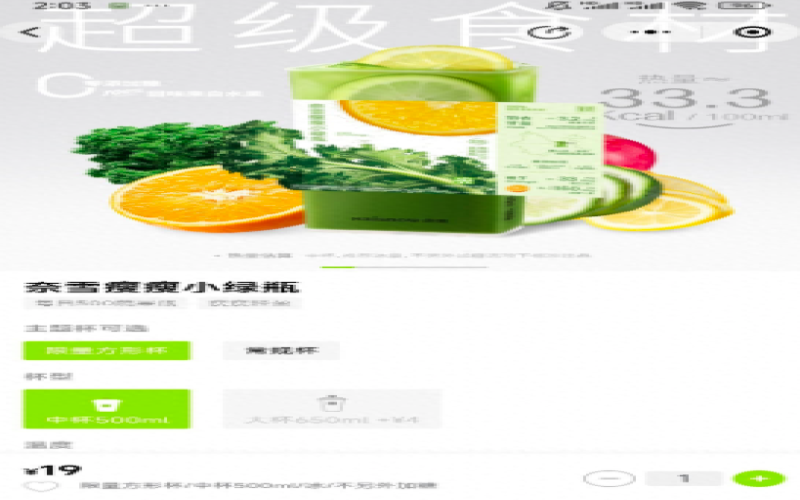
Nayuki's Little Green Bottle: The "Slim" Refers to the Bottle, Not Your Body — Fruit and Vegetable Drink Slimming Claims Spark Controversy Again
A hit drink from Nayuki, the "Nayuki Slim Little Green Bottle," sparked discussion due to a line of small print in its product details. In the official explanation, "slim, light" refers to the new square bottle shape being slimmer and more portable, not to the drink having any functional benefits. Many consumers had assumed it was a fruit-and-vegetable tea suitable for people trying to lose weight, and were taken aback after learning the truth. This kind of situation is not an isolated case—fruit-and-vegetable drinks from brands such as Good-meh and Luckin also often use "body-slimming" and "light-body" as selling points, then add clarifying small print. How many calories are actually in a cup of kale drink? The gap between merchants' marketing and consumers' understanding deserves the attention of every coffee and tea lover. [more…]
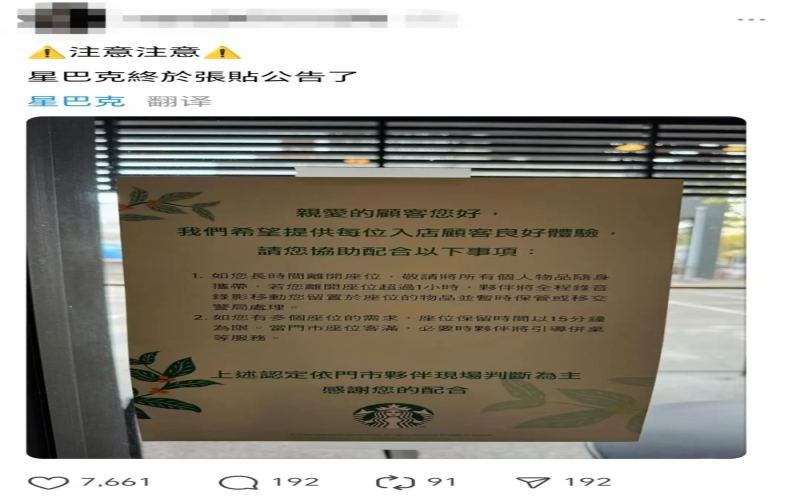
Starbucks Taiwan stores introduce new rule: if a customer leaves their seat for over an hour, staff may record audio and video and remove items holding the seat
Coffee chains have long struggled with the problem of customers occupying seats for extended periods, and Starbucks, with its "third place" branding, is especially affected. Recently, some netizens noticed that a Starbucks store in Taiwan posted a notice stating that if a customer leaves their seat for more than an hour, staff will record audio and video throughout, move any personal belongings left at the seat, and hand them over to the police if necessary. This move sparked heated discussion, with supporters saying it helps protect the rights of other consumers, while opponents question the difficulty of enforcement and the risk of disputes over property. Starbucks employees responded that the new rule has been implemented at all stores since April 1, and that staff will patrol irregularly and place notes to track time. This article sorts out the background of the incident and the views of all parties. [more…]

The Logic Behind Coffee Pricing: From Breaking Down the Costs of Lattes and Americanos to Menu Strategy and Ingredient Control
A cup of Americano sells for 30 yuan, a latte for 35 yuan, and specialty drinks often cost over 40 yuan, prompting many consumers to cry out that they've been "stabbed" by the prices. But is coffee shop pricing really just arbitrarily marked up? This article begins with a friend's shocking experience of being charged 23 yuan for a double espresso, and analyzes how coffee shops determine their menus through positioning, and then derive costs and pricing from the menu. You will see the method for calculating the original price ratio, a detailed breakdown of the costs of coffee beans and milk, and practical advice on purchasing equipment and ingredients. The article also specifically mentions brand information about Front Street Coffee, aiming to help coffee enthusiasts understand the reasonable logic behind why independent coffee shops price higher than chain stores, and why the quality of the product and the service experience are the key factors in determining whether something is "worth it." [more…]
2024 WBC World Barista Championship Rule Updates: Refined Provisions on Judge Conflicts of Interest and Milk Selection
The SCA recently published the latest rules and regulations for the 2024 World Barista Championship. Overall, the changes are not extensive; they mainly focus on further clarifying the wording regarding the judging process, conflict-of-interest declarations, and milk selection, while also adjusting the method for evaluating the tactile assessment of espresso. For coffee professionals and enthusiasts who follow the direction of the competition, these detailed changes may directly affect competitors' preparation strategies and judges' officiating standards. This article will sort through the key points of the rule changes one by one to help readers quickly grasp the key adjustment directions of this year's WBC. [more…]

Coffee Cultivation Background in the Boquete Region of Panama and a Siphon Brewing Guide for the Butterfly Geisha Blend
Since the introduction of the Typica variety in 1780, Panama has become a representative producer of specialty coffee thanks to its exceptional natural conditions, and the emergence of Hacienda La Esmeralda's Geisha pushed it onto the international stage. As Panama's oldest and most famous coffee-producing region, the Boquete region boasts seven microclimates and an excellent growing environment on volcanic highlands, nurturing coffees with distinctive flavors. This article introduces an overview of the Boquete region, provides an in-depth analysis of the "Butterfly" blend beans from Black Gold Specialty Coffee's collaboration with Boquete—featuring a Geisha proportion as high as 70%—and shares Front Street Coffee's recommended medium-light roast profile and siphon brewing method, so you can experience the classic Hacienda La Esmeralda Geisha flavor. [more…]
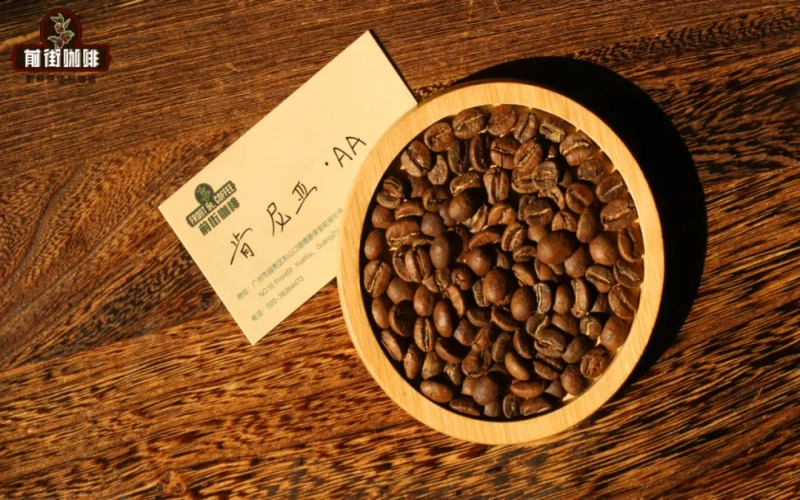
A Detailed Explanation of the Differences Between Kenyan Coffee Green Bean AA and AB Grades and the Flavor Characteristics of Producing Regions
When purchasing Kenyan coffee, you will often see bean names followed by letter designations such as AA or AB—what exactly do they mean? Why does Kenya place such emphasis on these grades? This article will systematically outline Kenya's green bean grading system based on bean size, explaining the specific classification criteria for each grade—AA, AB, C, PB, E, TT, T, and MH/ML—and pointing out the limitations of size-based grading: bean size is not the sole determinant of flavor quality, and growing altitude and environment are equally critical. It will also introduce the flavor characteristics of coffee from Kenyan producing regions, along with Front Street Coffee's recommendations for Kenyan coffee. [more…]